Pourquoi les entrées de conduits créent des risques d'endommagement des câbles
Dans l’installation de câbles souterrains, l’entrée du conduit est l’un des points les plus courants où se produisent des dommages à la gaine du câble. Lorsqu'un câble entre ou sort d'un conduit, d'un conduit, d'un trou d'homme, d'une armoire électrique ou d'une ouverture de tuyau, il entre souvent en contact avec le bord de la structure. Si le bord est tranchant, irrégulier ou mal aligné avec la direction de traction, la gaine du câble peut subir une abrasion, un pincement ou une coupure lors de l'installation.
Ce problème est particulièrement important dans les projets de construction de services publics, d’infrastructures de télécommunications et de câbles électriques. Une gaine de câble endommagée peut affecter la résistance à l'humidité, la protection de l'isolation et la fiabilité du service à long terme. Pour les entrepreneurs, le problème n'est pas seulement de mettre le câble en place, mais également de garantir que le câble reste protégé pendant le processus d'installation.
À quoi sert un rouleau de protection d'entrée
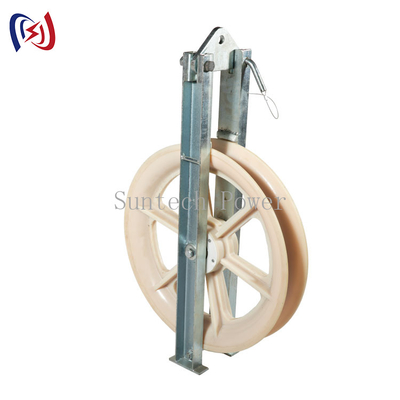
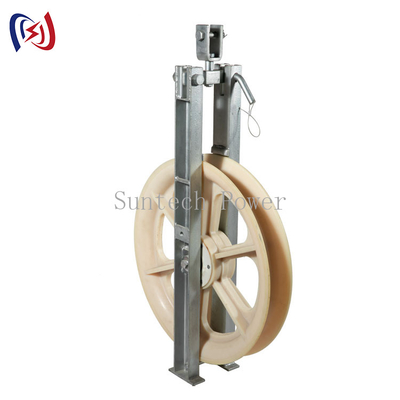
Un rouleau de protection d'entrée de câble est conçu pour agir comme une barrière physique et un guide roulant entre le câble et le bord du conduit. Au lieu de permettre au câble de glisser directement contre les bords en béton, en métal ou en PVC, le rouleau convertit le contact glissant en contact roulant. Cela aide à réduire la friction de traction et permet un mouvement de câble plus fluide.
Le rouleau de protection d'entrée de câble série B est utilisé pour les conduits souterrains, les entrées de trous d'homme, les ouvertures de conduits, les armoires électriques et les points d'entrée de câbles similaires. Sa fonction est pratique : protéger la gaine du câble, guider le câble dans le bon chemin et réduire les frottements inutiles lors du tirage.
Paramètres clés pour la sélection
Plage de diamètres de tubes
L'un des facteurs de sélection les plus importants est le diamètre du tube. La série B couvre les diamètres de conduits et de tubes de80 mm à 200 mm, y compris des modèles tels que SH80B, SH100B, SH150B et SH200B. Cette gamme permet aux entrepreneurs d'adapter la taille du rouleau à différentes ouvertures de conduits au lieu d'utiliser un outil général pour toutes les conditions.
Pour les ouvertures de conduits plus petites, des modèles tels que SH80B ou SH90B peuvent convenir. Pour les grands projets de services publics souterrains, le modèle SH200B prend en charge unDiamètre du tube 200 mm, ce qui le rend plus approprié pour les applications d'entrée de câbles plus importantes.
Poids du produit
Le poids du produit varie de3,3 kg à 12 kg, selon le modèle et le diamètre du tube. Cela aide les acheteurs à comprendre la différence structurelle entre les petits et les grands modèles. Un modèle plus lourd correspond généralement à une taille de tube plus grande et à une structure d'installation plus solide, mais la sélection doit toujours être basée sur la taille réelle du conduit et la disposition du chantier.
Conception des matériaux et des roulements
Les informations sur le produit mettent en évidenceMatériaux résistants aux UVetroulements étanches. Ces détails sont utiles pour les environnements de construction où les équipements peuvent être exposés aux conditions extérieures, à la poussière, à l'humidité et à des manipulations répétées. Pour l'installation de câbles souterrains, ces caractéristiques permettent un fonctionnement plus cohérent des rouleaux dans des conditions de terrain exigeantes.
Comment les acheteurs doivent utiliser ces spécifications
Lors de la sélection d’un rouleau de protection d’entrée de câble, les entrepreneurs doivent éviter de se fier uniquement à des termes généraux tels que « durable » ou « robuste ». Une meilleure approche consiste à vérifier si le rouleau correspond au diamètre du conduit, au tracé du câble, au sens de traction et à l'environnement d'installation.
Par exemple, un projet impliquant des entrées de conduit de 150 mm devrait envisager un modèle conçu pour cette taille de tube, plutôt que de forcer la mise en service d'un rouleau plus petit. Si le chantier implique une exposition à l’extérieur ou une utilisation répétée à travers plusieurs regards, la résistance des matériaux et la protection des roulements doivent également être prises en compte.
Conclusion
Les dommages à la gaine des câbles aux entrées des conduits restent un défi pratique dans l'installation de câbles souterrains. Un rouleau de protection d'entrée de câble permet de réduire le contact direct avec les bords, de réduire la friction de traction et de guider le câble de manière plus sûre dans les conduits ou les trous d'homme. Pour les acheteurs B2B, les spécifications les plus utiles sont claires et mesurables :Plage de diamètres de tubes de 80 à 200 mm,Poids du produit de 3,3 à 12 kg,disponibilité du modèle jusqu'à 200 mm, etMatériaux résistants aux UV avec roulements étanches. Ces paramètres fournissent une base plus fiable pour la sélection de produits dans les projets de services publics, de télécommunications et d'infrastructure.


 Votre message doit contenir entre 20 et 3 000 caractères!